

A home appraisal is crucial. When you’re buying a home, you’ll bring the home appraisal to your lender to show how much it’s worth and what you need, and if you’re selling, the appraisal lets you know how much your home is actually worth.
However, the home appraisal process is not as simple as looking at how new and big the home is and then slapping a price tag on it. Many factors go into it.
Here’s how it works.
The Lender Sends an Approved Appraiser to the Home
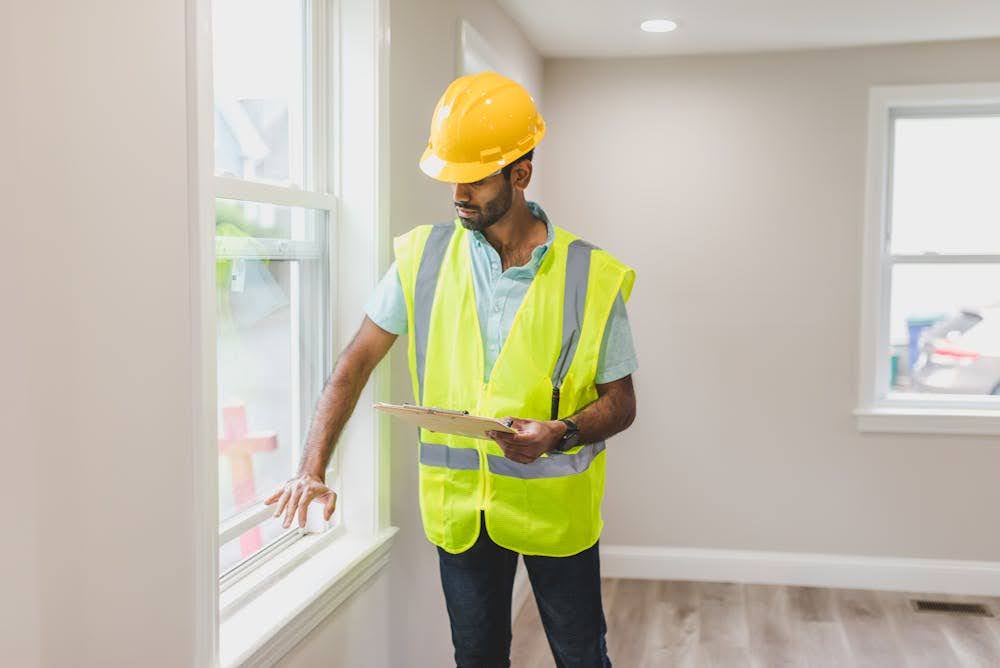
First, an approved appraiser is going to inspect the house. Some of the details they’ll be looking at are more obvious. Such as the size of the property, number of rooms, etc.
However, some other factors can greatly impact the appraisal.
Major points that can detract value include damage, clutter present, and the general quality of the home at first glance.
Watch out for common money pits you’ll want to avoid. A damaged roof, worn-out flooring, walls with bad paint, holes, or even kids’ doodles can all bring the appraised price down - sometimes well below what you might expect just by looking at the size and basic specs on paper.
This isn’t just based on the specific home, either. All those factors will be compared to homes within a certain radius and how much they are worth on the market. The other homes are essentially a reference point to measure the home in question against.
This lender will be a non-biased entity that is officially licensed and registered. So, you can trust that the opinions provided aren’t being made with ulterior motives that sway the final result in or away from your favor.
The Lender Provides the Appraised Value Result
After the lender has inspected the property entirely and done all the proper comparisons to other local homes, all three parties will be notified of the appraised value.
This might be higher than expected, and that tends to be a good thing for the buyer. It means they gain value on their investment before they’ve even closed on the paperwork, and the bank usually won’t change the amount being lent. So, asking for more isn’t usually an option.
If it’s valued lower than expected, it complicates the closing process. Lenders use the lowest value option between the purchase price bid and the appraisal. So, if you negotiated to pay $400,000, but the appraisal comes back as $300,000, the bank will lend you $300,000.
The buyer party might need to negotiate a new deal if they can’t afford $100,000 of out-of-pocket value.
Usually, the difference doesn’t end up being that dramatic, though.
The Home is Appraised and Good for 120 Days
Usually, the appraisal goes smoothly, and the home changes hands. If not, the buyer might negotiate a new deal for a lower appraisal, or the seller might cut the deal short if the appraisal is much higher than they expected.
If a deal isn’t reached, the appraisal is good for 120 days in most cases.
Use Our Home Valuation Tool for a Quick Look at Your Home’s Value
The home appraisal process is a critical part of figuring out what your property is really worth, whether you're buying, selling, or just testing the waters.
From on-site inspections to comparisons with similar homes in your area, an appraisal factors in much more than square footage and curb appeal.
At Sunny Gawri Real Estate, we make it easy to get a quick estimate with our free home evaluation tool, so you’re not going into your next move blind.
Contact us today if you’re ready to take the next step. We’re always happy to help!

